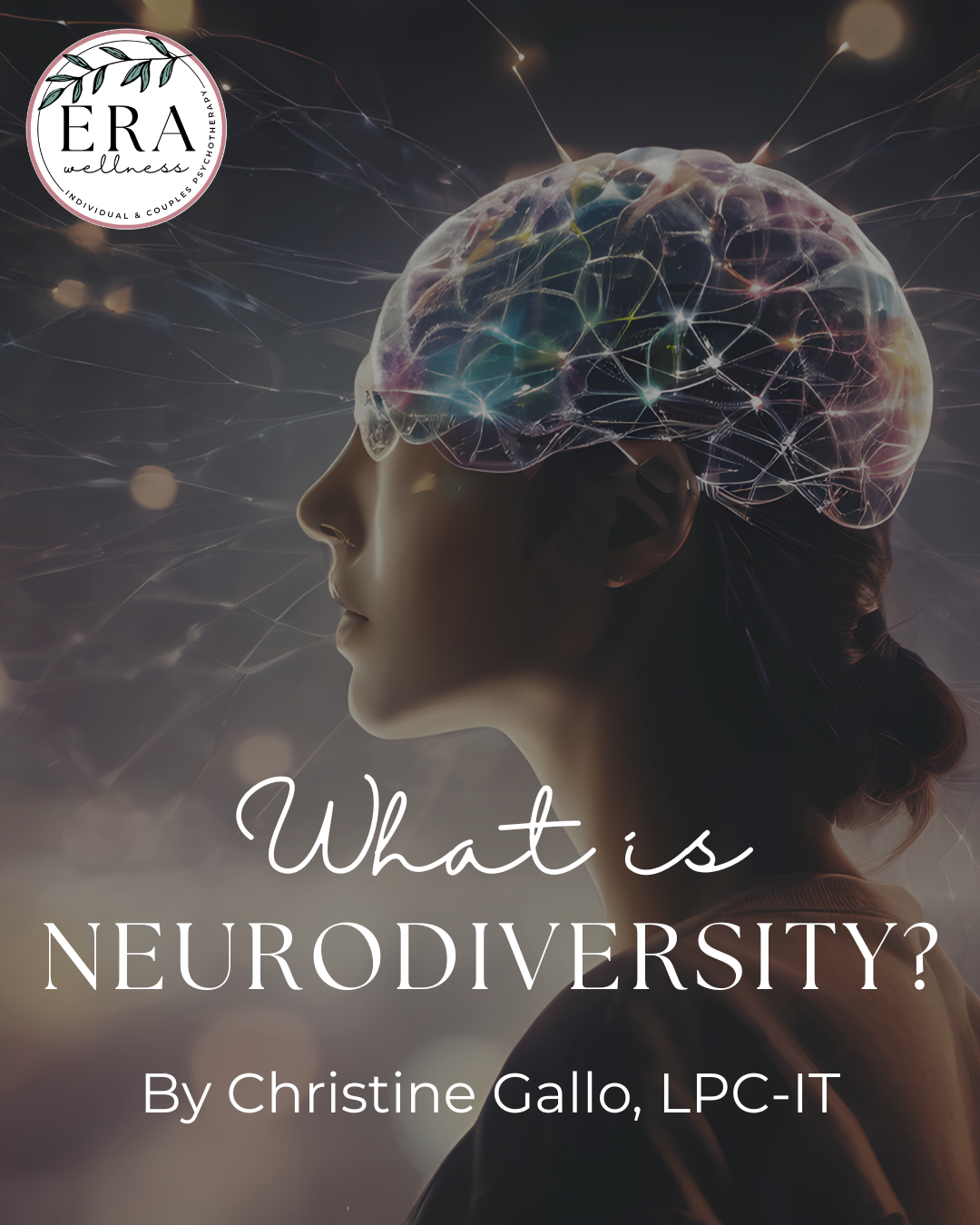
What is Neurodiversity?
Why does it feel like everywhere we look now, we see neurodivergent, neurodiverse, or just generally talk about how brains work?
The term “neurodiversity” first came to light in the 1990s but it didn’t fully capture cultural attention until the pandemic.
Search terms for “neurodivergent” spiked starting in fall 2020, when many of us were figuring out how to work or learn from home or devices, and many parents struggled to stay afloat while helping their kids stay on track in school. Schedules and obligations shifted for a lot of people, removing the supports we were used to. Collectively, we noticed how hard it felt to focus and wondered if there was something different about our brains.
This coincides with a more recent trend in adults searching for diagnoses that may affirm their experiences that may have been missed earlier in life. This doesn’t mean there are more neurodivergent people, or that people are even being misdiagnosed - it means more people are looking for answers and we’re doing a better job of helping people find those answers. Historically, certain groups of people (like women and girls, LGBTQ folks, people of color, and people with lower SES) have been underdiagnosed or misdiagnosed.

Neurodivergence describes a brain that thinks, learns, interprets, and interacts with the world in a different way than is broadly considered “typical”. What this looks like varies considerably depending on the individual and their diagnosis.
Many people are also very effective at masking (which means rehearsing and presenting socially acceptable versions of themselves), which enables them to hide under neurotypical camouflage. They adapt to get by and for many reasons cannot always reveal their deeper selves or ask for support. Masking is adaptive and can help us survive, yet comes with a steep personal cost to our sense of self and energy levels and can lead to a missed diagnosis. More open conversations about this especially on social media with symptom sharing have moved many people to find answers.
Researchers and advocates have been pushing for greater awareness of people who identify under the umbrella of neurodiversity, which includes DSM diagnoses like attention deficit hyperactivity disorder (ADHD), autism spectrum, learning challenges like dyslexia, and even mood or cognitive issues like schizophrenia or bipolar disorder. While labels can sometimes be helpful and validating, they can also pathologize - naming something outside the “norm”.
Neurodiversity acknowledges what many of us in the mental wellness field know: there is really no such thing as “normal”.
Rather than trying to flatten us all into the same socially constructed box, we can thrive by collectively leveraging our individual strengths and abilities. We can understand our physical, cognitive, and emotional needs to build constructive care habits that help us avoid burnout. We can be curious about others and not assume they think, feel, and operate just as we do.
There’s a ton to learn about neurodiversity, whether to better understand yourself, a loved one, coworker, neighbor, or just for awareness. Neuroaffirming resources like Neurodivergent Insights are a great place to start.
If you’re curious about neurodiversity, come join us! Many of us at ERA both work with neurodiverse clients (especially in parenting) and identify as neurodiverse ourselves.
Schedule a new client consultation to learn more and become a new client.
Read More from ERA: