When Birth Doesn't Go the Way You Planned: Understanding Birth Trauma and How Therapy Can Help
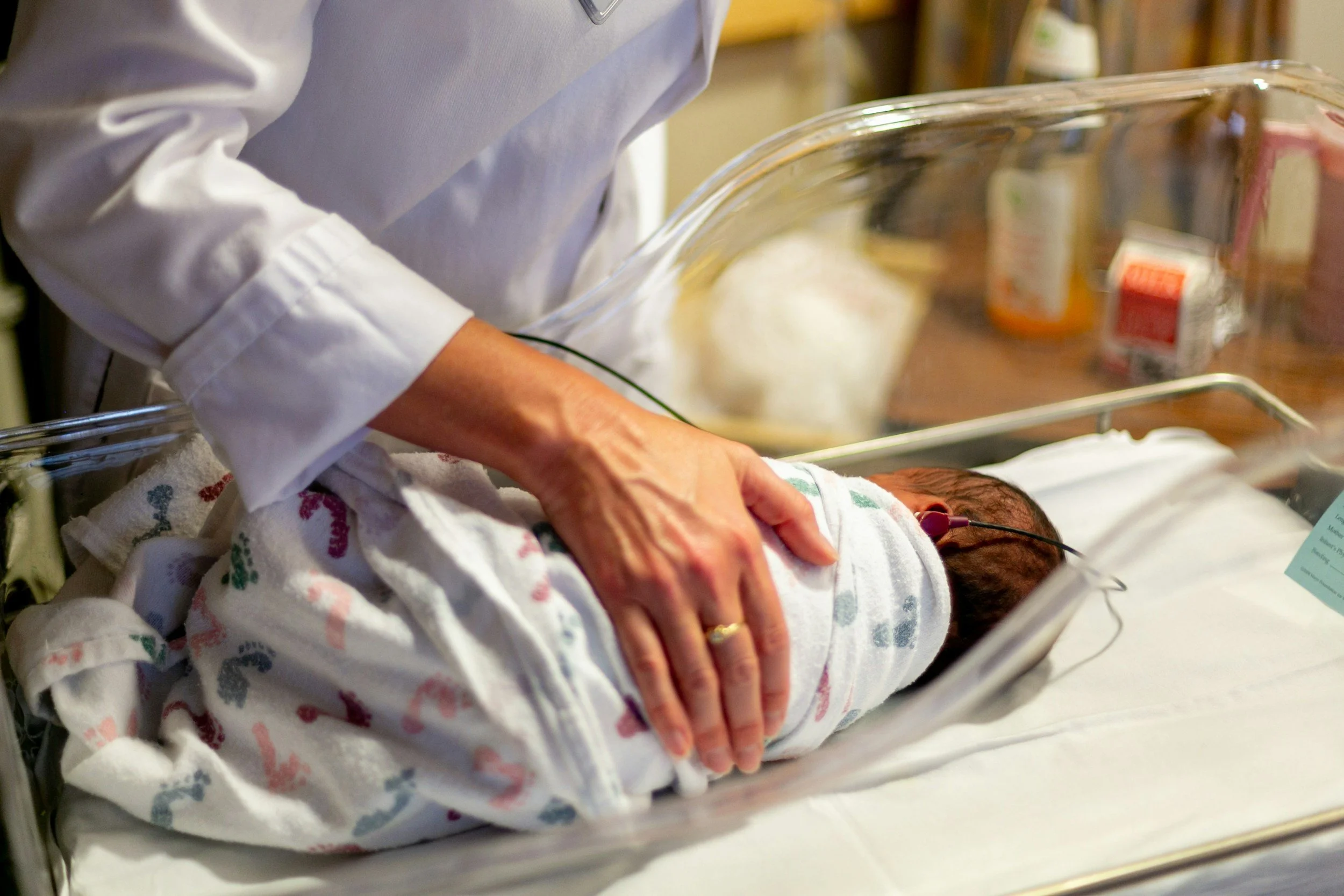
Everyone talks about having a healthy baby. No one really talks about what happens when the birth itself leaves lasting emotional wounds.
Maybe your delivery didn't go the way you expected. Maybe there was an emergency, an unexpected C-section, a NICU stay, or a moment when you genuinely feared for your life, your partner’s life, or your baby's life. Maybe you felt dismissed, powerless, or like no one listened when you said something wasn't right.
Or maybe everyone keeps telling you, "At least the baby is healthy."
And yet you can't stop replaying what happened.
If this sounds familiar, you're not alone and you're not overreacting.
What Is Birth Trauma?
Birth trauma isn't defined solely by what happened medically. It's defined by how your nervous system experienced the event.
Two people can have nearly identical births, and one may recover feeling empowered while the other develops symptoms of trauma. That's because trauma isn't just about the event itself, it's about whether your brain and body experienced it as overwhelming, frightening, or impossible to process in the moment.
Birth trauma can happen after:
Emergency C-sections
Unexpected medical complications
Hemorrhage or significant blood loss
Severe pain that felt unmanageable
Feeling ignored, dismissed, or coerced during labor
Traumatic vaginal deliveries
NICU admissions
Premature birth
Pregnancy or delivery complications
Stillbirth or infant loss
Previous trauma being activated during labor or delivery
Importantly, birth trauma isn't about whether you "should" feel traumatized. If your birth experience continues to affect you or feel distressing, your experience matters.
Signs You May Be Experiencing Birth Trauma
Many people expect the physical recovery after birth. They often don't expect the emotional one to feel so difficult. And when you’re recovering in both ways, everything can feel totally out of control.

Birth trauma may look like:
Intrusive memories or flashbacks of labor or delivery
Nightmares about the birth
Feeling panicked during postpartum medical appointments
Avoiding talking or thinking about your birth experience
Feeling disconnected from yourself, your baby, or your partner
Intense guilt, shame, or self-blame
Anger toward medical providers or loved ones
Frustration toward people who did not have traumatic birth experiences
Feelings of grief or loss about the birth that you had wanted or planned
Feeling constantly on edge or waiting for something bad to happen
Difficulty sleeping even when your baby is asleep
Fear of future pregnancies or childbirth
Sometimes these symptoms are obvious. Other times they show up months or even years later, especially if you're considering another pregnancy.
Birth Trauma and Postpartum Mental Health
Birth trauma can exist on its own, but it also commonly overlaps with other perinatal mental health concerns.
Many parents experiencing birth trauma also struggle with:
Postpartum anxiety
Obsessive-compulsive disorder (OCD)
Panic attacks
Grief and loss
Difficulty adjusting to parenthood
For example, someone who experienced a traumatic birth may become hypervigilant about their baby's safety, constantly checking breathing, avoiding sleep, or feeling consumed by intrusive thoughts. While these symptoms may develop after trauma, they can also reflect postpartum OCD or anxiety.
This is one reason working with a therapist who truly specializes in perinatal mental health is so important. The right diagnosis leads to the right treatment.
Trauma Doesn't Always Look Like What You Expect
Many people hesitate to call their experience "trauma."
They say things like:
"Other people had it worse."
"The baby was healthy, so I should just be grateful."
"It wasn't that bad."
These thoughts are incredibly common. But trauma isn't a competition.
You can be grateful your baby is healthy AND still grieve the birth experience you had. You can recognize that your medical team saved your life while also acknowledging that the experience left lasting emotional and physical wounds.
Both things can be true.
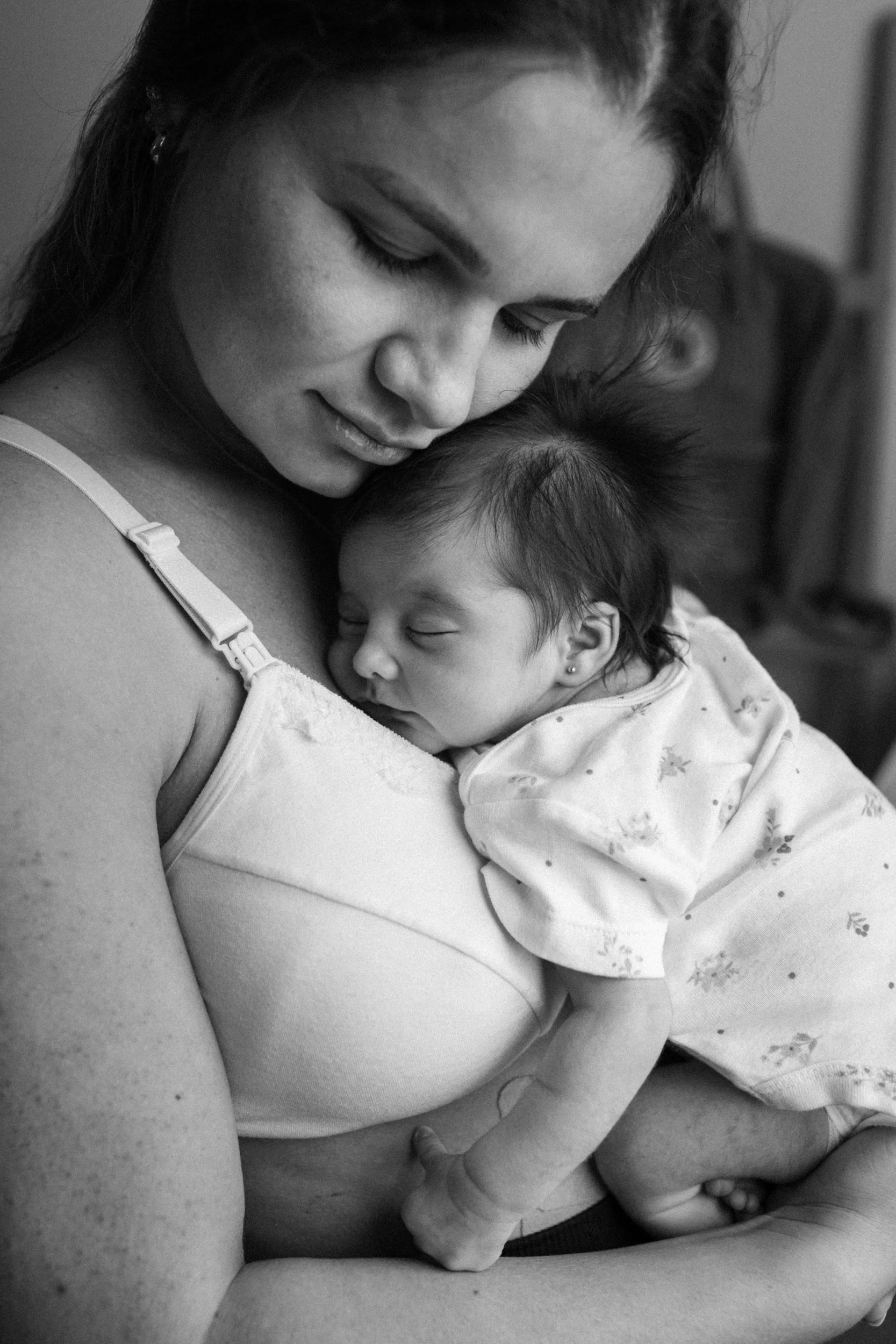
How Therapy Can Help Heal Birth Trauma
The good news is that trauma is treatable.
At ERA, we don't believe healing means forgetting what happened. Instead, therapy helps your brain and nervous system process the experience so it no longer feels like you're reliving it every time you think about your birth.
Treatment often includes understanding how trauma affects the brain, developing skills to regulate your nervous system, processing difficult emotions, and helping your body recognize that the danger has passed. Every person's treatment looks different because every birth story is different.
One of the biggest myths about trauma is that it will simply fade with time. If your birth experience still feels emotionally charged weeks, months, or even years later, therapy can help. You don't have to wait until you're pregnant again, struggling in your relationships, or avoiding hospitals altogether.
Healing is possible at any stage.
EMDR & Brainspotting for Birth Trauma
Birth trauma isn't stored only in our thoughts, it's often stored in our bodies. That's why many clients benefit from EMDR or Brainspotting.
Both modalities are brain-body therapies that help access and process trauma held within the nervous system, particularly when experiences are difficult to put into words. Rather than repeatedly talking through every detail of the birth, these methods help reduce the emotional intensity attached to the memory while allowing your brain to integrate what happened more adaptively. They can be especially helpful for clients who notice intense physical reactions, emotional overwhelm, or feel like they understand their trauma intellectually but still don't feel better.
Many clients notice that the memories become less intrusive, their physical reactions decrease, and they are able to think about their birth without feeling overwhelmed. Because birth is such a deeply physical experience, Brainspotting or EMDR can be a powerful complement to traditional talk therapy.
We Also Treat the Whole Picture
Birth trauma rarely exists in isolation.
Many of the parents we work with are also navigating:
Perfectionism and the pressure to "do everything right"
Relationship or marital changes after becoming parents
Identity shifts
Neurodivergence, including ADHD or autism, which can influence how pregnancy, birth, and the postpartum period are experienced
Previous trauma that resurfaced during pregnancy or delivery
Rather than treating each concern separately, we look at how they interact and create an individualized treatment plan that fits your whole story.

Birth Trauma Therapy at ERA Wellness
At ERA Wellness, our therapists truly specialize in reproductive and perinatal mental health. We understand that birth trauma is complex and deeply personal, and we know that healing isn't about telling you to "focus on the positive".
Our clinicians provide evidence-based therapy for birth trauma using approaches including EMDR, Brainspotting, cognitive behavioral therapies, and other trauma-informed interventions. Whether your experience involved an emergency delivery, a loss of control, medical complications, or simply a birth that left you feeling different afterward, we'll meet you with compassion - not judgment.
You deserve a nonjudgmental space to process what happened.
Because surviving birth and healing from it aren't always the same thing.
If you’re ready to work with a therapist on your own birth trauma, click the button below to schedule a complimentary new client consultation.
Read More Postpartum Blog Posts from ERA: